Updated June 3, 2026
Article highlights
- Asbestos waste must go to a licensed disposal site in WA.
- Safe asbestos disposal starts with testing and careful handling.
- DIY asbestos removal is risky, even for small amounts.
- Asbestos recycling is possible, but not common in Perth.
What are your options for safe asbestos disposal in Perth?
If you live or work in a building constructed in the 1970s, there’s a high chance asbestos may have been used in its construction.
The hazardous material has been banned in Australia since 2003, but it is estimated that one in three homes still contains the deadly substance.
Australia has strict regulations in place governing how to safely remove asbestos. However, for many homeowners, concerns remain about the material and safe asbestos disposal.
Concerned your home could be exposed? Here are the options for safe asbestos disposal in Perth.
Where asbestos can be found
Although asbestos is predominantly found in older homes and buildings, it may also be where you least expect it and can be easily transferred into your home without you knowing.
The substance can be found in recyclable materials for building products, such as brick, concrete, road base, and wood chips.
Despite it being banned, some contaminated materials, usually ‘fibro’ sheeting fragments, can still end up in recyclable products rather than a waste facility. Recyclers are strict in mitigating this, but sometimes the material gets through.
Other places where asbestos is still found today include:
- Fencing sheets
- Insulation
- Pipe cement
- Wall cladding
- Roofing materials and shingles
- Thermal boards around fireplaces
- Textured paints
- Spray-on soundproofing
- Carpet underlay
- Heat-resistant fabrics
- Water pipes
- Automotive parts
- Fire protection products
- Putty and glues
- Sealant and packing products
Worried asbestos may be present in your home or workplace? Contact Rapid Asbestos Removals for professional inspection, safe testing, and licensed removal to ensure your property is safe.
How to safely remove asbestos
Asbestos, a naturally occurring mineral, becomes a hazard when contaminated materials are disturbed or become airborne.
To minimise the release of harmful fibres, it must be handled with extreme caution.
If left undisturbed in buildings, asbestos building products aren’t a health risk. But if you plan to renovate, demolish a property, or dispose of asbestos-containing materials, safe work procedures must be followed.
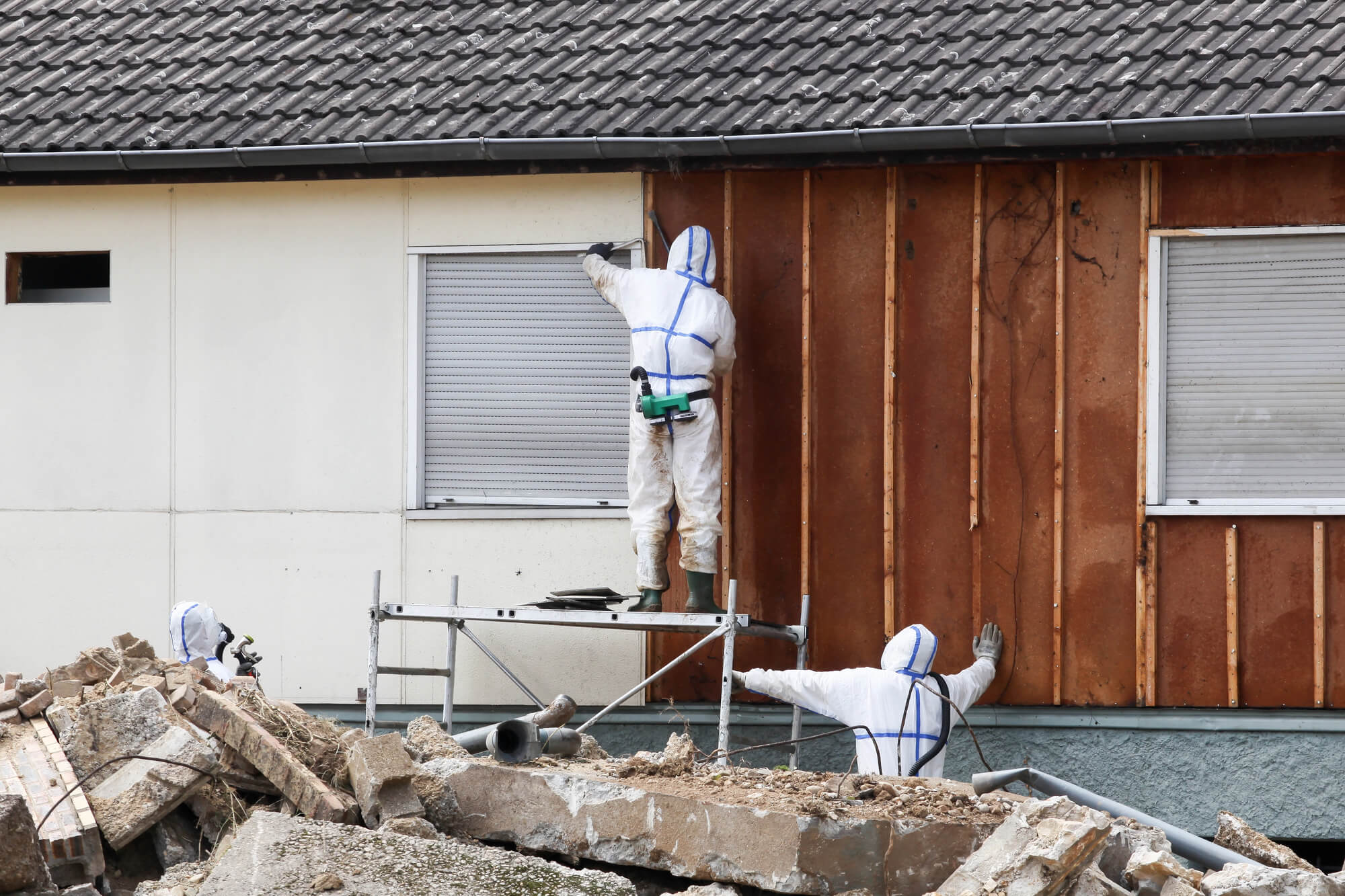
In Australia, it’s illegal to break asbestos materials with a hammer, grinder or any power/hand tool. Instead, products should be kept intact. All waste containing asbestos must be kept wet (with water or sprayed with a PVA solution), sealed and removed from the site as quickly as possible. Wetting the materials prevents fibres from releasing into the air.
If you’re removing asbestos materials from heights, they should be lowered to the ground, not dropped.
Breaking down safe asbestos disposal in Perth: What the rules say
Safe asbestos disposal in Perth is not the same as taking general building waste to the tip. Asbestos waste must be handled, wrapped, labelled, transported and disposed of in a way that prevents fibres from becoming airborne.
HealthyWA states that all asbestos material must be disposed of at a landfill or waste disposal site licensed by the Department of Water and Environmental Regulation (DWER) to accept asbestos materials.
DWER also notes that not all landfills are licensed to accept asbestos, and it is an offence to dispose of asbestos anywhere other than a licensed waste facility. You should always contact the waste facility first to confirm whether they can legally accept the material.
This is why proper disposal matters just as much as removal. If asbestos is removed safely but dumped incorrectly, the health and compliance risks remain. It has just been moved somewhere else.
For commercial sites, builders, property managers and facility managers, this documentation is especially important. Disposal receipts, removal records and clearance certificates may be needed for compliance, insurance, tenant safety or project handover.
Our commercial asbestos removal
Does your home contain asbestos?
A visual inspection isn’t usually enough to identify asbestos in the home. Instead, samples of suspected fibres are sent for analysis by a National Association of Testing Authorities (NATA) accredited lab. Call for a free quote or sample if you suspect asbestos in your home.
As a general rule of thumb, it’s:
- Highly likely: If your house was built or renovated before the mid-1980s
- Likely: If your house was built or renovated between the mid-1980s and 1990
- Unlikely: If your house was built after 1990. However, it’s not possible to rule out asbestos on buildings after this
Note: While legally you are allowed to remove up to 10sqm of asbestos yourself, it’s better handled by a trained professional to ensure regulations have been followed and the products are safely disposed of.
Even small amounts of asbestos can be hazardous if mishandled. Don’t risk exposure; reach out to Rapid Asbestos Removals for expert guidance, testing, and safe asbestos management.
Why asbestos recycling is not simple
Asbestos recycling sounds like the ideal outcome, but it is not a simple or widely available disposal option in Perth.
Some specialised facilities can treat asbestos waste using high heat or chemical processes. These methods can transform asbestos-containing materials into safer products, such as inert glass-like materials that may be used in ceramics or stoneware. These methods can reduce landfill pressure, but they are not the standard disposal pathway for most Perth homes, businesses or building sites.
The problem is that asbestos fibres are dangerous when disturbed. Any recycling process must completely destroy or transform and stabilise those fibres so they cannot become airborne later, before the material can be reused. This requires controlled technology, strict handling systems and specialised facilities.
For now, the practical option for most asbestos waste in WA is disposal at a licensed landfill or waste facility that is approved to accept asbestos. This keeps the material controlled, documented and away from general recycling streams.
The key point is simple: asbestos should never be placed in normal recycling, skip bins or general construction waste. Even small fragments can contaminate otherwise reusable materials such as concrete, brick, soil or road base.
Why old asbestos materials need safe removal and disposal
Older homes are ticking time bombs.
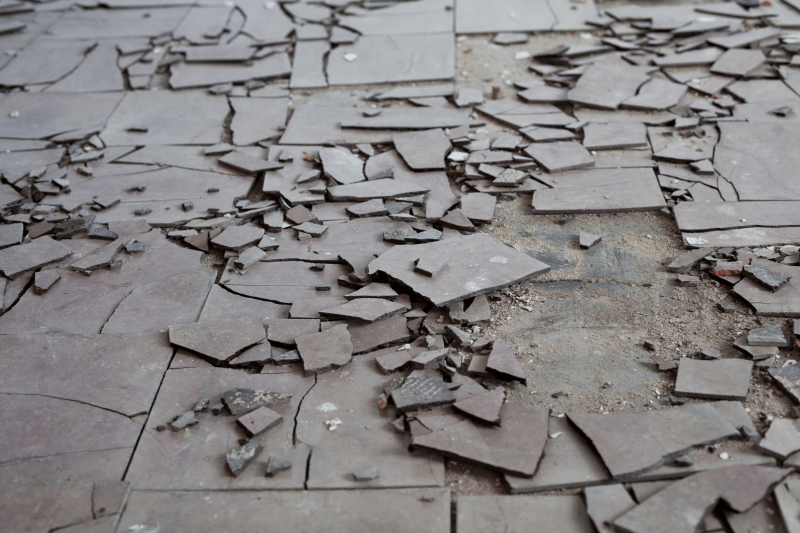
The cement that holds harmful asbestos fibres in place is vulnerable. As asbestos materials become more exposed to the elements, the likelihood of their falling apart increases. As such, asbestos-containing materials could easily crumble due to factors such as weather or fire exposure, or human intervention, such as renovations, knock-downs, or vandalism.
Rapid Asbestos Removals can safely remove and dispose of all contaminated materials in Perth. Contact us for a free quote or to arrange a sample asbestos test.
Enquire about asbestos disposal